Crypto Trading Risk Management: Essential Strategies

Crypto trading risk management involves position sizing, stop-loss orders, diversification, and dollar-cost averaging to protect capital against extreme volatility. Investors who combine these strategies with technical analysis and regular portfolio rebalancing reduce their exposure to catastrophic losses while still capturing upside potential in cryptocurrency markets. Cryptocurrency trading offers the kind of returns that traditional markets … Read more


Best Crypto Trading Platforms and Tools for 2026

The cryptocurrency market has matured considerably over the past few years. Institutional adoption continues to climb, retail participation remains strong, and the tools available to traders have become far more sophisticated than the clunky exchanges of crypto’s early days. With that maturity comes more choice — and more complexity — for anyone trying to figure … Read more

Best Cryptocurrency Investment Strategies for Long-Term Wealth

Building long-term wealth with cryptocurrency requires diversification, disciplined dollar-cost averaging, secure storage, and a focus on established projects with real utility. Investors who treat crypto as a long-term allocation rather than a speculative gamble, and who manage risk through position sizing and cold storage, are better positioned to weather volatility and benefit from the asset … Read more

Crypto Trading vs Investing: Key Strategies Explained

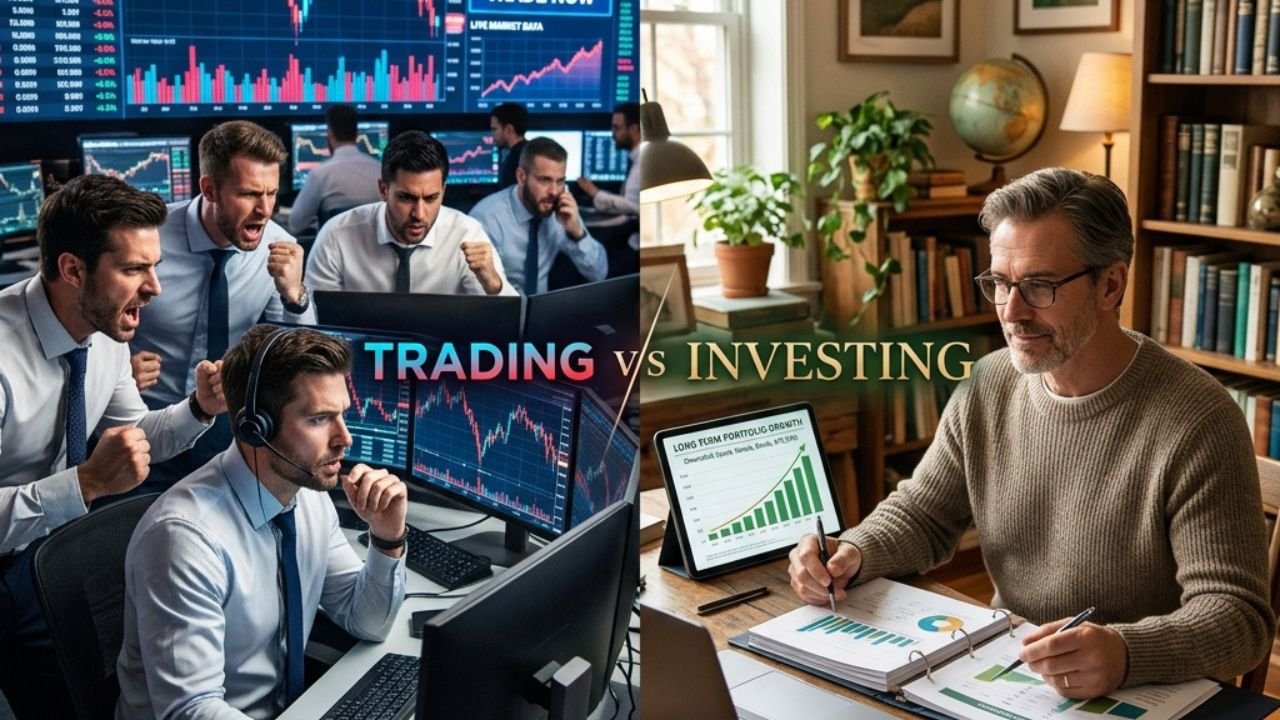
Crypto trading involves actively buying and selling digital assets to profit from short-term price movements, while crypto investing means holding assets long-term based on their fundamental value. Traders prioritize technical analysis and quick decision-making; investors focus on research, patience, and diversification. Your choice depends on your time availability, risk tolerance, and financial goals. Cryptocurrency markets … Read more

Top AI Trends for 2026: The Future of Artificial Intelligence

In 2026, AI is shifting from general-purpose experimentation to specialized, agentic, and deeply embedded systems. Businesses can expect industry-specific generative models, autonomous AI agents capable of executing multi-step tasks, tighter AI governance, and a growing emphasis on multimodal and edge-based AI. Organizations that adapt now will be better positioned to compete as these trends mature. … Read more